Your lawn looks brown again. The water bill just hit $300. You spent Saturday mowing instead of grilling. Sound familiar? Homeowners across Texas are ditching real grass for good. Artificial turf promises green lawns without the sweat. But before you call a contractor, you need real numbers. What does synthetic grass actually cost? Is it worth the upfront price? This guide breaks down every dollar so you can decide smartly.
What Drives Artificial Turf Prices?
Several factors push your final bill up or down. Understanding them helps you budget right and avoid sticker shock later.
Size of Your Lawn
Bigger spaces need more materials. Most turf sellers price by the square foot. A small backyard of 500 sq ft costs less overall than a 2,000 sq ft front yard. But here’s the catch: larger jobs often get better artificial turf cost per sq ft rates. Contractors save on travel and setup time. Your price per foot drops as your lawn grows.
Quality of the Turf Itself
Not all fake grass is equal. Cheap rolls fade fast and flatten underfoot. Premium options mimic real blades with UV-resistant turf quality ratings that last 15 years. Higher face weight, better backing, and realistic thatch layers add cost. You get what you pay for. Budget turf runs $2–$4 per sq ft. Mid-grade hits $4–$6. Luxury products reach $8–$12.
Site Prep and Ground Work
Existing grass must go. Rocks need removal. The ground must slope for drainage. Synthetic lawn grading and excavation takes time and machinery. If your yard is sloped, rocky, or hard to access, labor costs jump. Flat, clear lots are cheaper. Expect site preparation and ground leveling to eat 30–40% of your total budget.
Breaking Down the Cost of Laying Artificial Grass
Let’s look at where your money actually goes. This helps you compare quotes and spot hidden fees.
Materials and Product Costs
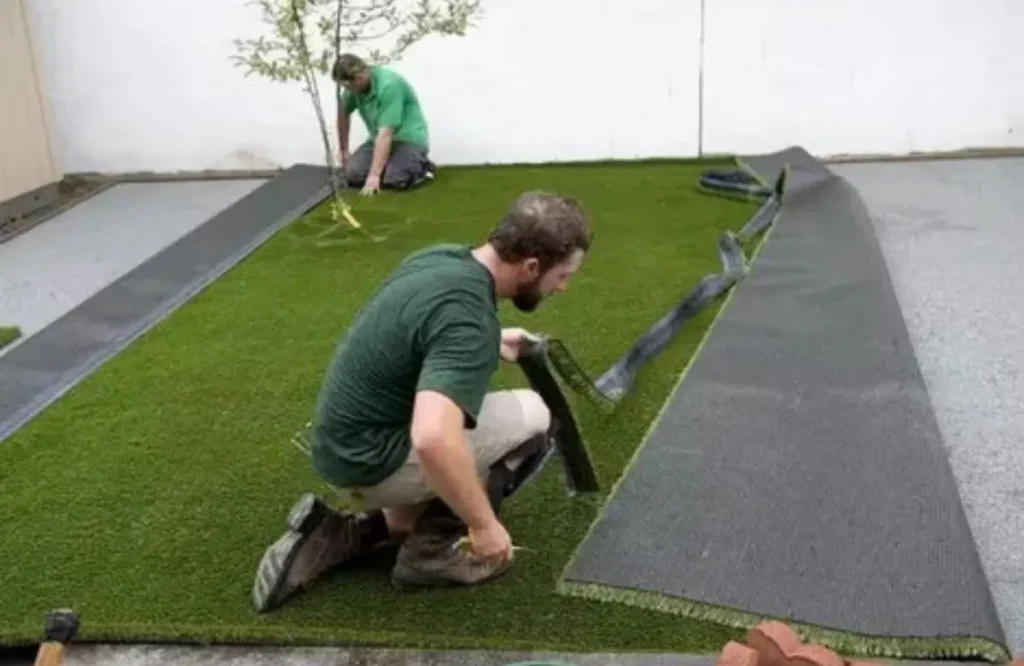
The turf roll is just one line item. You also need base rock, weed barrier fabric, and turf infill materials like silica sand or rubber infill. Infill keeps blades upright and adds cushioning. Edging materials hold borders in place. Nails, seaming tape, and adhesive join sections cleanly. Together, materials usually run 40–50% of the job.
Labor and Installation Charges
Skilled crews charge for expertise. Landscaping labor and installation charges cover removal, grading, laying, and finishing. Experienced teams work faster and leave cleaner seams. In Arlington, TX, labor rates align with local construction costs. Cheap bids often mean rushed work or uninsured crews. Pay for pros who know drainage system installation and local soil conditions.
Extras That Add Up
Some yards need retaining walls. Others require tree root removal or sprinkler cap-offs. Pet owners might want antimicrobial infill. Putting greens need precise turf pile height and density selection. Each add-on changes your synthetic grass cost. Always ask for itemized quotes so you see every charge.
Average Artificial Lawn Cost in 2026
Many homeowners need an estimate before contacting contractors. Here are some realistic figures for common projects.
Small-to Medium Yards (300-800 sq feet)
A small outdoor or backyard costs from $3,000 to $7,700 in all-inclusive. It includes the removal, base preparation for the turf, a mid-grade grass, and installation. The cost of artificial lawn is manageable. Most families start with a pet or play area before tackling the entire lawn.
Large Residential Lawns (1,000-2,500 sq ft)
Complete front and back yard replacements can range between $8,000 and $18,000. The cost of turf varies with the size; however, it benefits from large-scale pricing. At this stage, drainage design is a major factor. The best contractors plan the flow of water prior to laying the first roll.
Commercial or Specialty Projects
Rooftop terraces, playgrounds for schools, and sports fields leap higher. They require heavy-duty backers with padding as well as rigorous safety ratings. Prices start at around $15,000 and can go up to $50,000. The question “how much synthetic lawn costs” is not a simple answer. It depends on use, traffic, and project requirements.
Long-Term Value in comparison to the Upfront Cost
The sticker shock diminishes as you look at the figures over time. Real grass drains your cash year after year.
Water and Maintenance Savings
A lawn of 1,000 square feet consumes 20,000 gallons of water annually in Texas temperatures. If you take local rates, it’s $200–$400 per year for water. Include fertilization, mowing, weed control, and reseeding. Natural grass can cost between $1,000 and $2,000 annually to keep in good condition. Artificial grass maintenance is minimal—just occasional brushing and rinsing. Most homeowners recover installation costs within 5 to 7 years.
Durability and Lifespan
The best synthetic turf lasts for 15–20 years with very little care. It won’t die in drought or flood. There aren’t any brown spots from pet urine. No mud after rain. This consistency is a huge benefit for busy families as well as commercial properties.
How to Get the Best Value
Smart shopping can cut costs without sacrificing quality.
Get Multiple Quotes
Make contact with at least three installers in your area. Compare details, not just totals. Ask about turf brands, infill types, and warranty terms. A low bid may skip important steps like proper drainage.
Consider Phased Installation
Begin with the backyard and then move to the front. Dividing the project into phases spreads costs over time. It also lets you evaluate the turf before committing fully.
Check for Rebates
Some Texas water districts provide incentives for turf replacement. This can save you $500–$2,000 on installation costs. Check local programs or ask your installer.
DIY and Professional Installation
YouTube can make it look easy, but reality is more complex.
The DIY Route
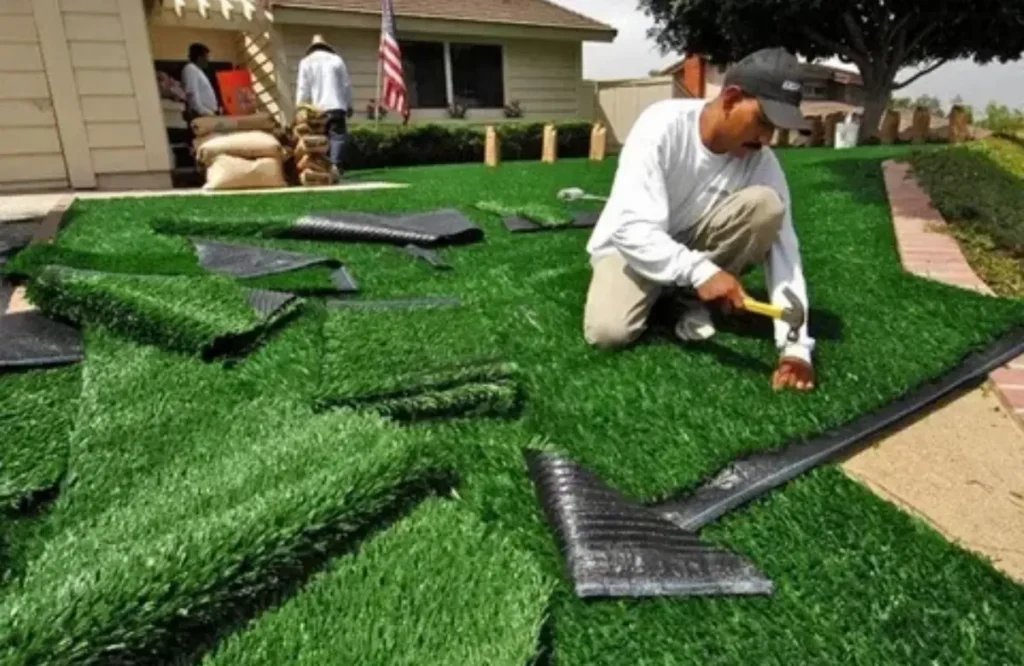
Self-installation reduces labor costs, but you must rent equipment, transport materials, and ensure proper grading. Mistakes can lead to drainage issues. Most DIY projects cost $4 to $8 per square foot for materials alone.
Hiring Pros
Professional crews complete jobs quickly and correctly. They handle permits, utilities, and drainage. Their work is backed by warranties. For most homeowners, the reliability is worth the cost.
Conclusion
Artificial grass presents a smart investment for homeowners tired of the upkeep and costs of natural lawns. From water savings to minimal maintenance, synthetic turf offers long-term benefits that quickly outweigh the initial installation costs. With quality options lasting up to 20 years, it’s a practical choice for homeowners who want a beautiful, hassle-free lawn year-round.
For those in need of reliable and professional installation, All Star Construction Group can help you make the transition to artificial grass with expert services and affordable rates. Ready to upgrade your lawn? Contact us today for a free consultation and see how we can transform your outdoor space!
FAQs
How much does artificial turf cost per sq ft installed?
Most homeowners pay $6 to $12 per sq ft for complete installation. That includes removal, base prep, materials, and labor. Cheap jobs might hit $4, while premium projects can reach $15.
Is artificial grass worth the money?
Yes, if you plan to stay in your home for 5+ years. Water savings and reduced maintenance make it a worthwhile investment.
How long does synthetic turf last?
Quality products last 15–20 years. Lower-quality turf may last only 5–8 years.
Can I install artificial turf myself?
Yes, but it requires skill and effort. Mistakes can be expensive to fix.
Does artificial turf get hot in the Texas sun?
Yes, it gets warmer than natural grass. Using lighter turf and adding shade can help reduce heat.