
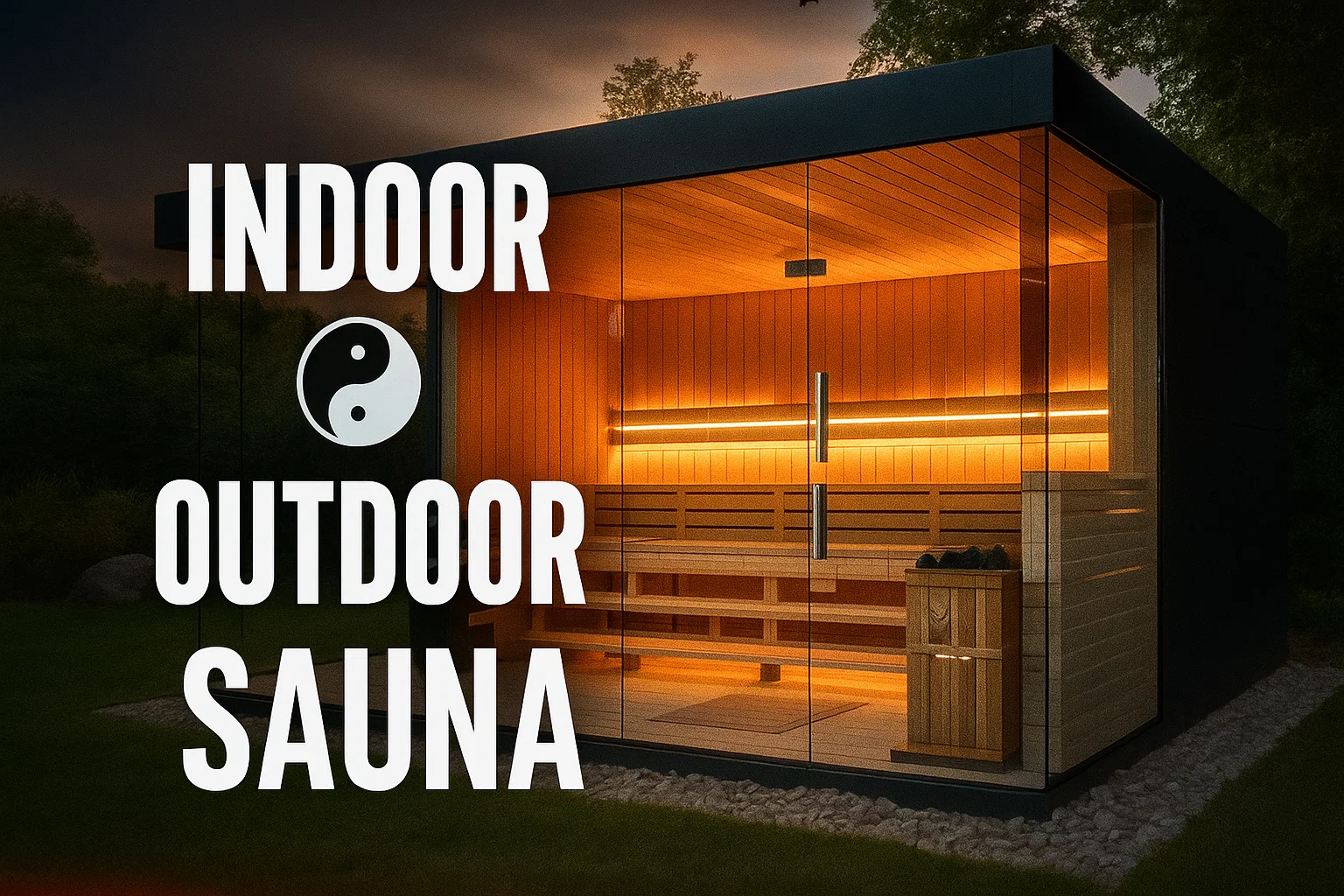
Saunas are a wonderful addition to any home, offering numerous health benefits and a relaxing retreat from the hustle and bustle of everyday life. Whether you’re thinking about installing a sauna in your home for the first time or upgrading your current setup, one of the biggest decisions you’ll need to make is whether to go for an indoor or outdoor sauna. Both options have their advantages, but how do you decide which is best for your space and lifestyle?
This blog post will make the comparison between indoor and outdoor saunas to assist you in choosing between the two in your house as a perfect choice. Whether it is space issues or the cost of installation and health gains, we will put it all down so that you can make an informed choice.
Why Choose an Indoor Sauna?
The popularity of indoor saunas amongst homeowners is a growing trend as the owners are trying to establish a home-based wellness center. The following are just some of the reasons why an indoor sauna may be the ideal product to purchase:
1. Convenience and Accessibility
The convenience of an indoor sauna is one of the most attractive features of this kind of system. Having the sauna in your own house, you can have it at any time, irrespective of the weather. It will not be necessary to venture out in cold winter months, and this can be a huge advantage in itself, particularly when you are living in a climate of brutal weather.
- Example: When you are too tired after working long and you want to relax in your sauna, then an indoor sauna will provide you with the opportunity to get to the sauna without going outside or confronting the cold.
2. Space Efficiency
The location of indoor saunas can be any location around your house, whether it is a spare room or a basement, or an entire room dedicated to wellness. You are able to select a place that will be reasonable for your lifestyle and your space available.
- Example: Small indoor saunas can be easily placed in a bathroom or a small corner of a larger room, which is an excellent option in homes of people with limited space.
3. Privacy and Comfort
You will have an indoor sauna where you will be more comfortable and enjoy more privacy. The temperature and humidity levels will be under your control so that they can be adjusted to your preferences, and you will not have to be concerned about the situations that your neighbors or the weather may cause in your sauna experience.
- Example: Saunas that are fitted into the indoor setup give you an exclusive space where you will relax and stay within a calm and regulated setting without the influence of the outside world.
Where Is the Best Place to Put an Outdoor Sauna?
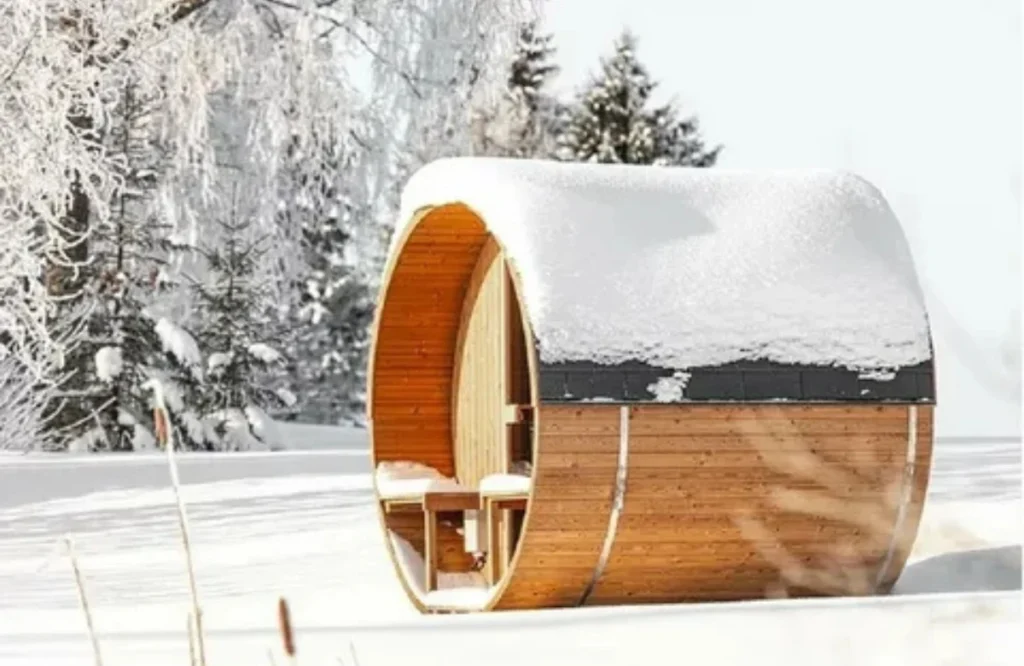
Conversely, outdoor saunas are an experience and one will be able to have the sauna experience in a natural environment. In case you are thinking about having an outdoor sauna, these are the things you should understand about where to install the best one:
1. Available Outdoor Space
An outdoor sauna will require a proper property space. This may be a backyard, garden, or patio. Ideally, the area must be flat and easily accessible so that it can be easily installed in it and maintained on a regular basis.
- Example: You can install a sauna outside your house in the backyard or in the garden, which can be blended into the garden and is a good and natural relaxation area.
2. Proximity to Your Home
In the installation of the outdoor sauna, you need to consider its distance from your home. Although you will get more space in the sauna, you will not wish the sauna to be too far from your house, particularly during colder months when you may not wish to walk a long distance to access the sauna.
- Example: An area close to your house will enable you to have the sauna quickly without walking in snow and heavy rains and at the same time have an outdoors experience.
3. Aesthetic and Connection to Nature
A sauna outdoors gives one a chance to be in touch with nature. Most householders locate their saunas close to a garden, water feature or scenic view. This environment can further improve the overall relaxation process, whereby you can enjoy nature and the air as you relax.
- Example: You have sat in your sauna and you are looking at a peaceful garden or pond. This can be a completely new world of relaxation in your sauna.
Indoor vs Outdoor Sauna: What’s the Best Choice for Your Home?
During the decision-making process of choosing between an indoor and an outdoor sauna, there are factors that you need to put into consideration and these factors will guide your choice. To make the choice that is best in the home and lifestyle, we will compare these options in greater detail.
1. Installation Costs and Effort
The installation charge of a sauna will depend on whether the indoor or outdoor sauna is to be installed.
- Indoor Sauna: Indoor sauna installation may be easier and it may only need some changes in your house, e.g., installation of electric wires or even rearranging the area to fit the installation. The price will depend on its size and level of complexity; however, a small, simple indoor sauna will cost between 2-5 thousand dollars.
- Outdoor Sauna: An outdoor sauna is usually a more demanding task, like a foundation or preparing the outside space to install the sauna. The price of a sauna outdoors may be between 3,000 and 7,000 or more, depending on the complexity.
- Example: In case you already have a special room within your house where a sauna is already located, an indoor sauna could be cheaper and faster to put up. Nonetheless, when you have a big backyard and the space to install an outdoor sauna, it may be a more luxurious experience, but it would be more expensive.
2. Space Considerations
- Indoor Sauna: Indoor saunas are effective in houses where there is little space in the outside area. They do not require a lot of space as they can even fit in a bathroom or a basement or even a closet, as long as the space is correct. The size and position can be adjusted to be whatever you want them to be, depending on what you need and the arrangement of your home.
- Outdoor Sauna: Outdoor saunas occupy more space and the space must be ready to install it. Though outdoor saunas have much more space to accommodate larger models or even a number of seating areas, they require more planning in order to have a smooth installation.
- Example: An indoor sauna might be appropriate in a case of a flat and a smaller house, whereas an outdoor sauna can be an ideal option with big houses and the possibility of further extensions.
3. Privacy and Ambience
- Indoor Sauna: With indoor saunas, there is greater privacy as they are found in your house. The environment is controllable, such as the lighting and the sound, and it is a more personalized experience. Nonetheless, it might not have the natural outdoors feel that individuals desire.
- Outdoor Sauna: Outdoor saunas were created as a special experience, where one can appreciate nature. This is in addition to relaxing in a sauna by a bunch of trees or a lake and this would bring the total effect of the therapy. But outdoor saunas might lack privacy to the same extent and the presence of neighbors or people passing by could be a problem.
- Example: An example is that in case you appreciate peace, being alone and enjoying the voices of nature, a sauna outside could be of the right type. However, in case of more weight given to privacy and comfort, an indoor sauna can be a better option.
4. Maintenance and Durability
- Indoor Sauna: Indoor saunas are not exposed to the elements and which implies that they will have a longer life span with minimal maintenance. You will not have to be concerned with the weather-related damages, like the snow or rain destroying the wood or structure.
- Outdoor Sauna: Outdoor saunas are subjected to the environment and this implies they need to be maintained better to last longer. Also, cleaning, weatherproofing, and wear and tear should be checked regularly to ensure that your outdoor sauna is in good condition. Nevertheless, they have weatherproof materials that are usually designed to make them withstand the outdoor environment.
- Example: When in a region where winters are extreme, an indoor sauna may need to be maintained less than in an outdoor sauna, which may require additional covers during the cold seasons.
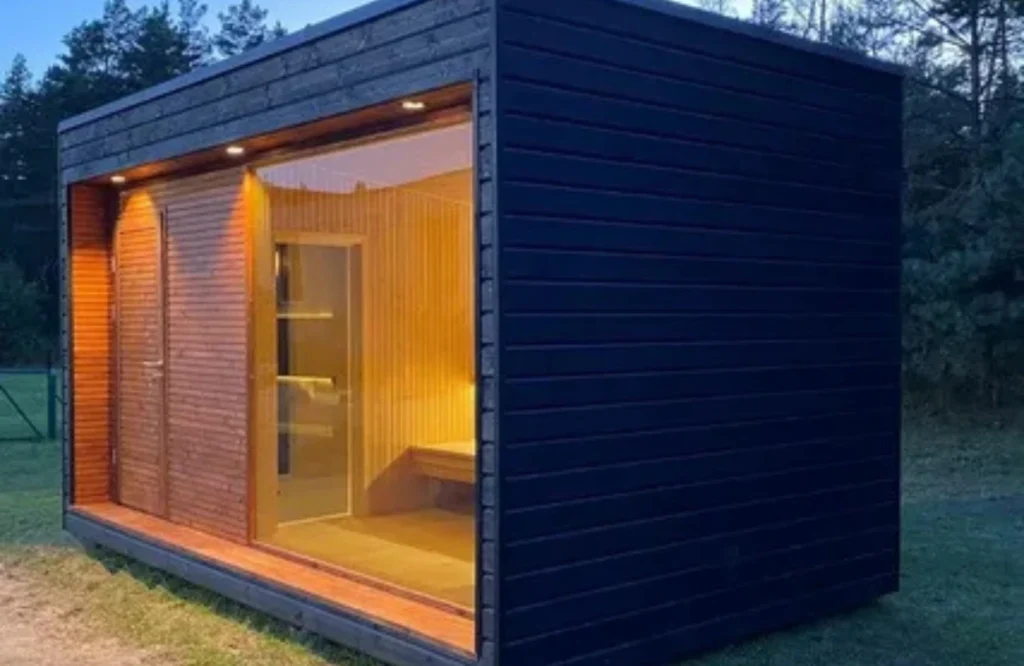
Benefits of Both Indoor and Outdoor Saunas
Both indoor and outdoor saunas come with their own unique benefits:
- Indoor Sauna:
- Space-saving: It takes up little space in a home or an apartment.
- Convenience: Within the comfort of your house.
- Privacy: Have the sauna at home.
- Space-saving: It takes up little space in a home or an apartment.
- Outdoor Sauna:
- Connection to nature: Spend some time in your sauna, but enjoy the fresh air and nature.
- Larger space: Perfectly suited to a bigger space.
- Ambiance: Clean and calm atmosphere.
- Connection to nature: Spend some time in your sauna, but enjoy the fresh air and nature.
Conclusion
Whatever you want to do, choose between indoor and outdoor sauna based on personal preferences, space availability, cost and the experience that you desire. An indoor sauna could be the solution for a person who wants convenient access and seclusion. But when you want something more natural, more immersive and have more than one person, an outdoor sauna might be the ticket.
To explore more options for sauna installation and learn about the best choices for your home, visit All Star Construction Group today!
FAQs
1. Can I put a sauna outside?
Yes, you can install an outdoor sauna, but it requires a suitable location, such as a flat, level area, and consideration for weatherproofing.
2. How much space do I need for an indoor sauna?
The amount of space needed for an indoor sauna depends on the size and model, but a small sauna typically requires at least 4×4 feet of space.
3. How do I maintain an outdoor sauna?
Regular maintenance for an outdoor sauna includes cleaning the interior, checking for weather damage, and ensuring the exterior is sealed to protect it from the elements.
4. Are indoor saunas more expensive than outdoor saunas?
The cost can vary, but indoor saunas tend to be less expensive because they require less preparation and less weatherproofing than outdoor saunas.
5. Can I install a sauna myself?
Some smaller models can be installed by DIYers, but for larger saunas, it’s recommended to hire a professional to ensure proper installation and safety.