
The use of saunas has long been known to have relaxation and health-related benefits. Spending time in a sauna is a refreshing activity, whether it comes to alleviating muscle tension to encouraging a person to sleep better. However, with the advent of modern facilities such as infrared saunas, people are confused about which kind suits them better.
This guide will help you comprehend the differences between infrared vs traditional saunas and make an informed decision. We will discuss the functionality of each sauna, the advantages, and which can be most popular in your style of life.
Why Understanding the Difference Matters
Health and Comfort Considerations
- In conventional saunas, there is heating of the air, which makes one sweat due to its high temperatures.
- The infrared saunas require infrared light to heat your body directly, but with minimal heating of air.
- Being knowledgeable ensures that you get into a sauna which fits your level of comfort and health requirements.
Safety and Accessibility
- Other individuals consider high heat in conventional saunas as too much.
- The infrared saunas are usually lower-temperature and therefore open to a wider range of people, including those who are heat sensitive.
- Knowing about such differences will avoid inconvenience or health hazards.
What You Should Know Before Choosing
Space and Installation Requirements
- Conventional saunas need more room and a room layout that is resistant to heat.
- IR saunas are commonly smaller, can be installed more easily, and are not always immovable.
- Placing your space in mind is one way of reducing your options.
Maintenance and Energy Costs
- Conventional saunas can be regularly cleaned and more energy is used to heat the entire room.
- IR saunas are more energy efficient and have a lower maintenance cost.
- It is significant to budget for installations and operations before commitment.
Infrared vs Traditional Sauna: Main Differences
How They Heat the Body
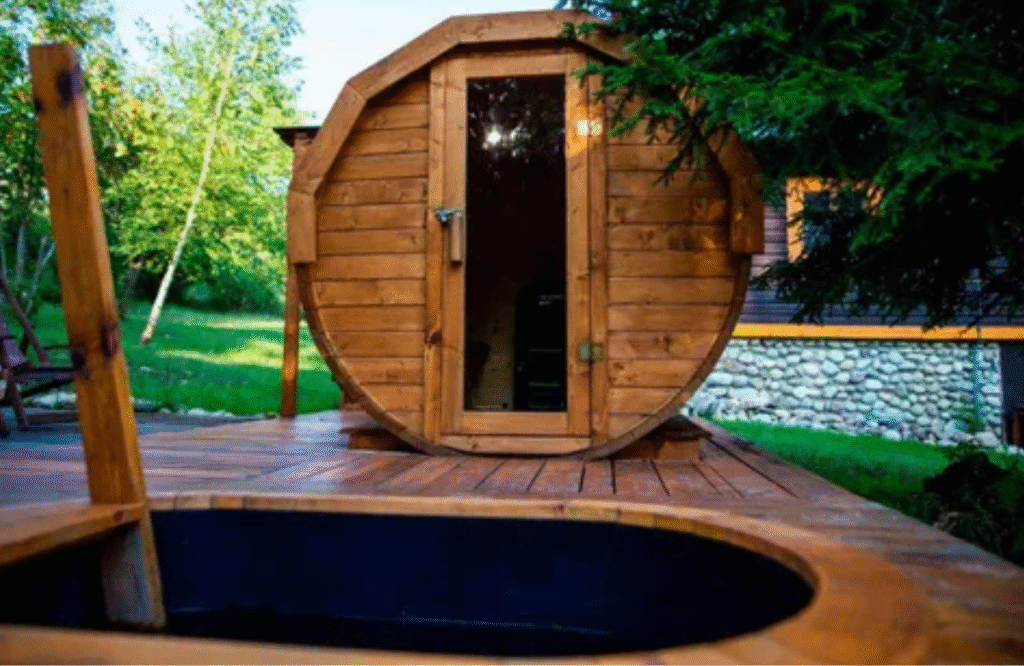
- Traditional Sauna: Uses warm air around you, which is typically between 150°F-190°F (65°C-88°C), which warms your body.
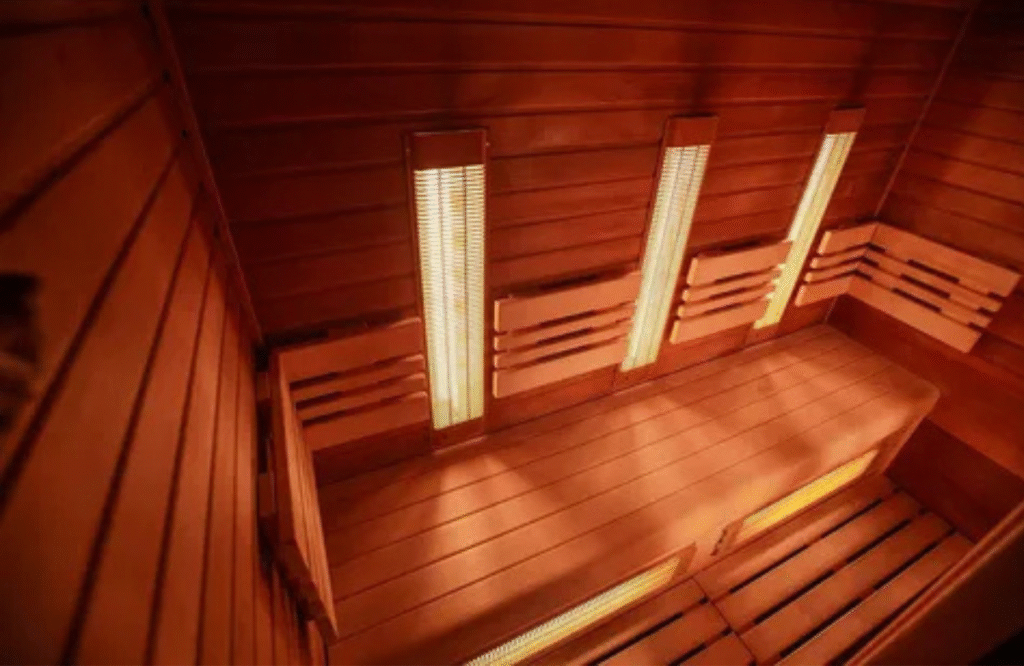
- Infrared Sauna: The device applies infrared light and reaches deep into the layers of the skin to warm up your body without heating the air to extremely high levels. Normally, temperatures are at 110°F-140°F (43°C-60°C).
Sweating and Detoxification
- The two types promote sweating which might help get rid of toxins.
- The IR saunas can lead to increased tissue heat loss at reduced temperature.
- The conventional saunas offer high heat intensity, which usually causes an acceleration of the surface sweating.
Health Benefits
Traditional Sauna Benefits:
- Improves circulation.
- Relieves muscle soreness.
- Reduces stress and promotes relaxation.
- It can help with respiratory health in dry heat conditions.
Infrared Sauna Benefits:
- Gets further into the muscles, and this may help in relieving pain.
- Reduced temperature enables it to be more endurable in terms of longer sessions.
- It may help to lose weight by burning calories during long sessions.
- In many cases, offers red light therapy sauna services to rejuvenate the skin.
Session Experience
- Conventional saunas may be uncomfortable as they may be hot and sticky.
- IR saunas are more comfortable, with longer sessions.
- The factor of personal preference is also important in terms of a more convenient experience.
Energy and Cost Efficiency
- The classical saunas also use more energy to warm the room.
- Infrared saunas tend to be more efficient with the consumption of less energy, which reduces the cost of operation.
- Investment can depend on the first investment; however, long-term savings are usually increased with infrared.
Maintenance Considerations
- The traditional saunas have to be ventilated and cleaned frequently to avoid mould and smell.
- Modern materials are easier to clean and wipe down in the IR saunas.
- The selection of the appropriate type of sauna may save time and inconvenience.
Tips for Choosing the Right Sauna
Consider Your Health Needs
- If you have heart conditions or heat sensitivity, an infrared sauna may be safer.
- Traditional saunas suit those who enjoy high heat and humidity.
Think About Frequency and Duration
- Infrared saunas allow for longer sessions at lower temperatures.
- Traditional saunas are ideal for short, intense heat sessions.
Evaluate Your Space and Budget
- Traditional saunas need larger spaces and more energy.
- Infrared saunas can fit in smaller rooms and are easier on utility bills.
Try Before You Buy
- Visiting a spa with both sauna types can help you decide which is more comfortable.
- Personal experience often outweighs specifications when deciding between an infrared vs a dry sauna.
Benefits of Regular Sauna Use
- Reduces stress and promotes relaxation.
- Helps with muscle recovery and pain relief.
- Improves circulation and cardiovascular health.
- It can support skin health and detoxification.
- Offers potential mental health benefits, like improved sleep and mood.
Infrared Sauna Tips
- Start with 15–20 minute sessions and gradually increase to 30–40 minutes.
- Stay hydrated before and after each session.
- Use sauna-friendly clothing or go nude for maximum sweating.
- Clean the sauna regularly to maintain hygiene.
- Explore the sauna with red light therapy options for added skin benefits.
Conclusion
The decision of infrared vs traditional sauna will be subject to personal preferences, health requirements and lifestyle. The conventional saunas have high intensity heat and surface sweating whereas the infrared saunas have deep tissue penetration, the lower temperatures, and also they are energy efficient.
In order to get the benefits with your own eyes and locate the appropriate sauna to install in your house, visit All Star Construction Group. You may have a relaxing time in the therapy together with your friends and family in the sauna which is free of any risks and helps in restoring your energy.
FAQs
How do the infrared and the traditional saunas differ?
Infrared saunas are heated by directing light through your body at lower temperatures, whereas traditional saunas are heated by heating the air which in turn heats your body.
What is the best sauna in terms of beginners?
The infrared saunas are also easy to start with due to the lower temperature and longer tolerance to heat.
Can I use a sauna every day?
Yes, but begin with short sessions and pay attention to your body, particularly in hot surroundings in traditional saunas.
Are infrared saunas effective in weight loss?
They can help in weight loss due to their ability to burn calories during long periods of time and increase sweating.
Does the conventional sauna pose any health hazards?
Heat may be dangerous to individuals who are heart-sensitive or heat-sensitive. Always refer to a doctor in case of doubt.